

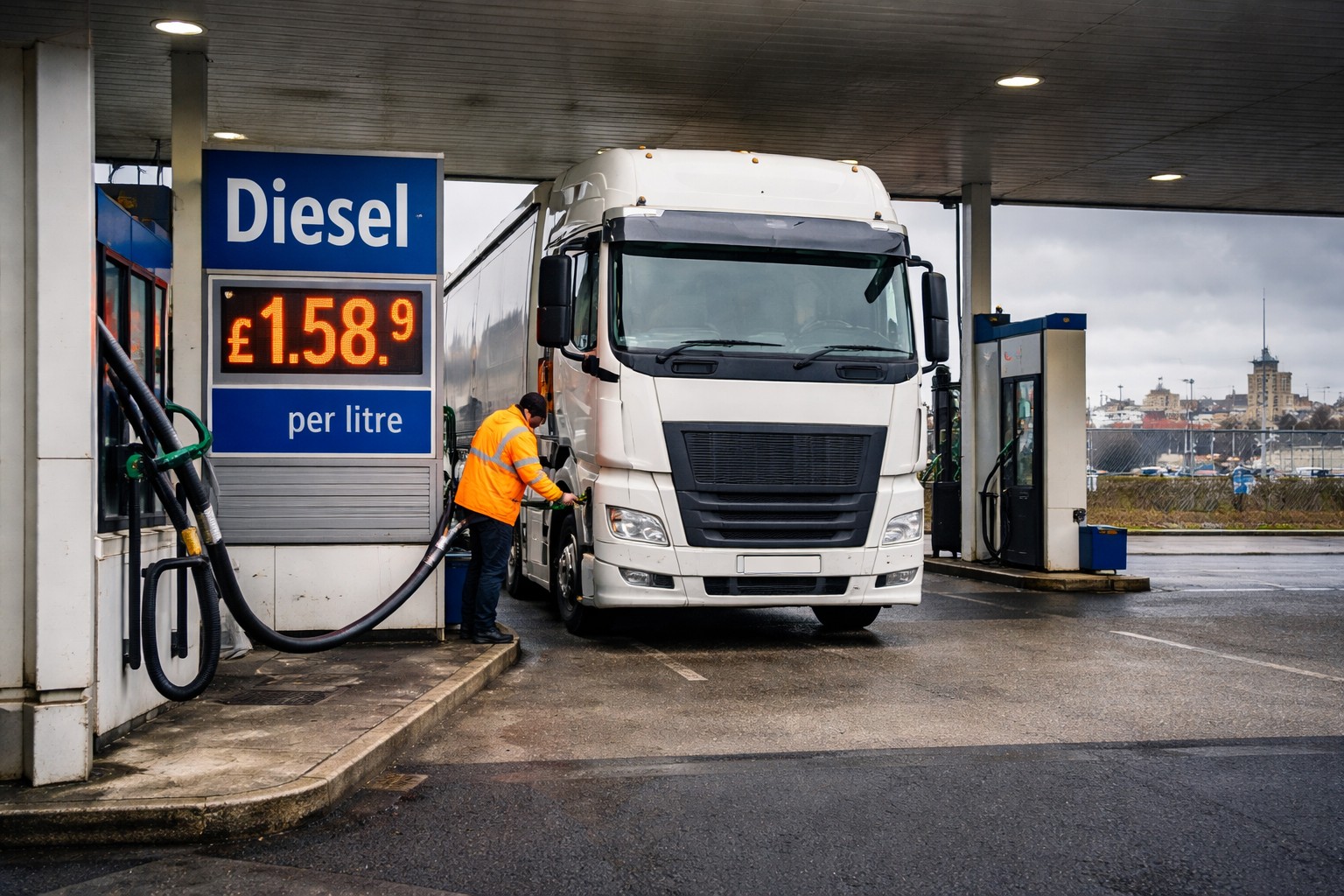
Energy shock fears have returned to the forefront of financial markets, sending ripples through the UK transport and logistics sector as oil and gas prices climb sharply amid escalating tensions in the Middle East.
London’s FTSE 100 slipped close to 1% in early trading, reflecting growing unease among investors as Brent crude surged to as high as $114 a barrel. Gas prices have also jumped by around 25%, reaching levels not seen since early 2023, reigniting concerns about sustained cost pressures across energy intensive industries.
Susannah Streeter, chief investment strategist at Wealth Club, said: “Fears of a sustained energy shock have resurfaced after the escalation in the Iran war sent oil and gas prices soaring. The prospect of a longer, more drawn out conflict is in sharp focus, as both sides ratchet up attacks on energy infrastructure.”
For UK transport operators, the immediate implication is renewed volatility in fuel costs, a key operational pressure point that had only recently begun to stabilise. Road haulage firms, fleet operators and logistics providers are particularly exposed, with diesel prices closely tracking movements in crude markets.
Industry analysts warn that a return to sustained high oil prices could quickly filter through to freight rates. “Any move towards $120 or beyond fundamentally resets the cost base for transport,” one logistics market analyst said. “Operators will have little choice but to revisit surcharges, particularly on long haul and contract work where margins are already tight.”
There are also mounting concerns around the wider supply chain. Streeter noted that rising freight costs and disruption to fertiliser exports from the Middle East could push food prices higher again, reversing recent easing. For transport firms, this could mean increased volumes in some sectors but also heightened price sensitivity among customers.
The situation is further complicated by Europe’s reliance on liquefied natural gas from Qatar, which has become more critical as countries reduce dependence on Russian supplies. Retaliatory strikes on energy infrastructure in the region have raised fears of supply disruption, adding another layer of uncertainty for energy markets.
“Europe’s energy security remains fragile,” another market commentator said. “Any sustained disruption to LNG flows will not only drive up energy prices but also increase competition for supply, which feeds directly into industrial and transport costs.”
Beyond fuel, there are knock on risks to manufacturing supply chains that underpin transport demand. Concerns have been raised about helium shortages, a key input in semiconductor production, which could delay output of vehicles and electronic goods. This would have downstream effects on automotive logistics and distribution networks.
At a macroeconomic level, central banks are now navigating a more complex landscape. The Bank of England is widely expected to hold interest rates in the near term, mirroring the Federal Reserve, but markets are increasingly pricing in the possibility of further rate rises later in the year as inflation risks build.
Streeter added: “Not only is the headline CPI rate likely to rise due to higher fuel and energy bills, but there will also be concern that companies will pass on escalating costs through higher prices across a range of goods and services.”
For transport businesses, this combination of rising input costs and cautious consumer demand presents a difficult operating environment. Higher borrowing costs would add further strain, particularly for firms investing in fleet renewal or transitioning to lower emission vehicles.
The risk of stagflation, where growth slows while prices continue to rise, is now being more openly discussed. “This is a particularly challenging scenario for the transport sector,” a UK freight consultant said. “You have weakening demand in some areas, but cost inflation remains persistent. That squeezes margins from both sides.”
As the geopolitical situation evolves, the transport market is likely to remain highly sensitive to energy price movements, with operators continuing to adjust pricing structures, fuel strategies and contract terms in response to ongoing volatility.