
Warehouses are under growing pressure to become faster, leaner and more efficient as businesses battle rising costs and labour shortages — a challenge driving renewed interest in articulated forklift technology.
Coventry-based Narrow Aisle, which is marking 50 years in business, says articulated forklift trucks are playing an increasingly important role in helping companies reduce warehouse costs while improving order picking efficiency.
The company, which pioneered the Flexi articulated forklift range, said modern warehouse operations were increasingly focused on maximising storage density, reducing aisle widths and improving throughput without expanding their physical footprint.
According to Narrow Aisle, rising real estate costs and ongoing labour shortages are pushing businesses to rethink warehouse design and invest in more flexible material handling systems.
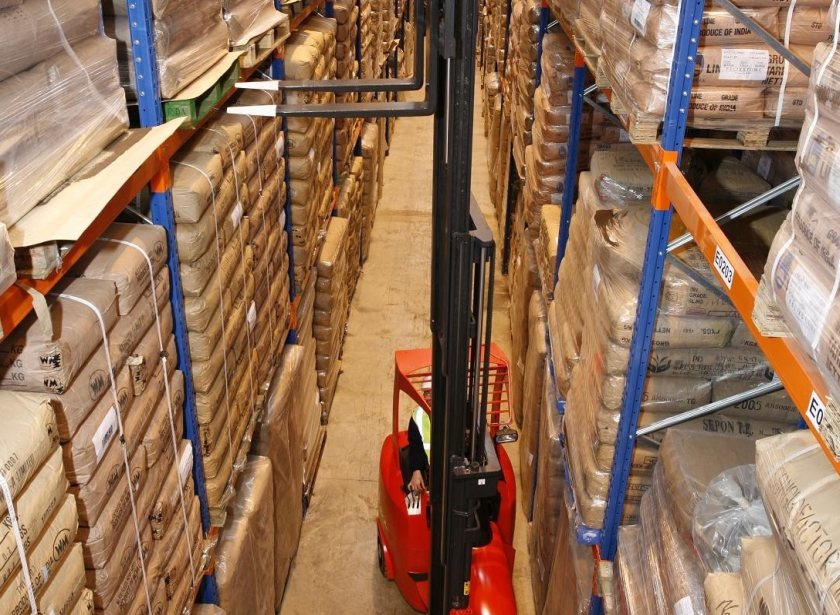
The firm argues articulated forklift trucks are well suited to this shift because they can operate in tighter spaces than conventional reach or counterbalance trucks, allowing warehouses to introduce narrower aisles and additional racking bays.
This increased storage density can help reduce order picking times by positioning stock closer together and improving workflow efficiency across distribution centres.
Narrow Aisle also highlighted the versatility of articulated forklifts, saying the machines are capable of operating both indoors and outdoors.
That allows operators to move pallet loads directly from goods-in areas to warehouse racking without relying on separate handling vehicles, reducing what the company described as unnecessary “double handling”.
The business said switching to predominantly articulated forklift fleets could deliver financial savings of up to 50%.
The company also believes the trucks can improve order picking productivity, particularly as warehouses handle growing SKU ranges and increased demand linked to e-commerce fulfilment.
“Picking accuracy is always a key driver in the development of any order picking operation,” Narrow Aisle said.
By operating efficiently in narrower aisles, articulated forklifts can help shorten travel distances between racks while supporting ground-level picking from palletised loads.
Reliability and ease of use were also identified as major advantages, with Narrow Aisle claiming its Flexi trucks had earned a reputation for “reliable operation” and low maintenance costs over many years of multi-shift use.
The company said operators familiar with conventional reach trucks were often able to adapt quickly to articulated forklift systems.
Safety remains another key focus for warehouse operators, particularly where staff and vehicles work alongside one another in confined aisles.
Narrow Aisle argued articulated trucks could help reduce some of the visibility and safety concerns associated with other narrow aisle warehouse vehicles operating around ground-level order pickers.
Looking ahead, the company said advances in artificial intelligence and Internet of Things technology were helping drive more sophisticated fleet management, predictive maintenance and autonomous operating capabilities across warehouse operations.
More than 15,000 Flexi articulated lift trucks have now been sold in around 75 countries worldwide, according to the company.