A new racking repair system is helping UK warehouse operators extend the life of damaged pallet racking while reducing steel waste and disruption.
Goliath, a structural racking repair solution based in Cannock, has been developed to help logistics operators maintain warehouse safety standards while supporting sustainability targets.
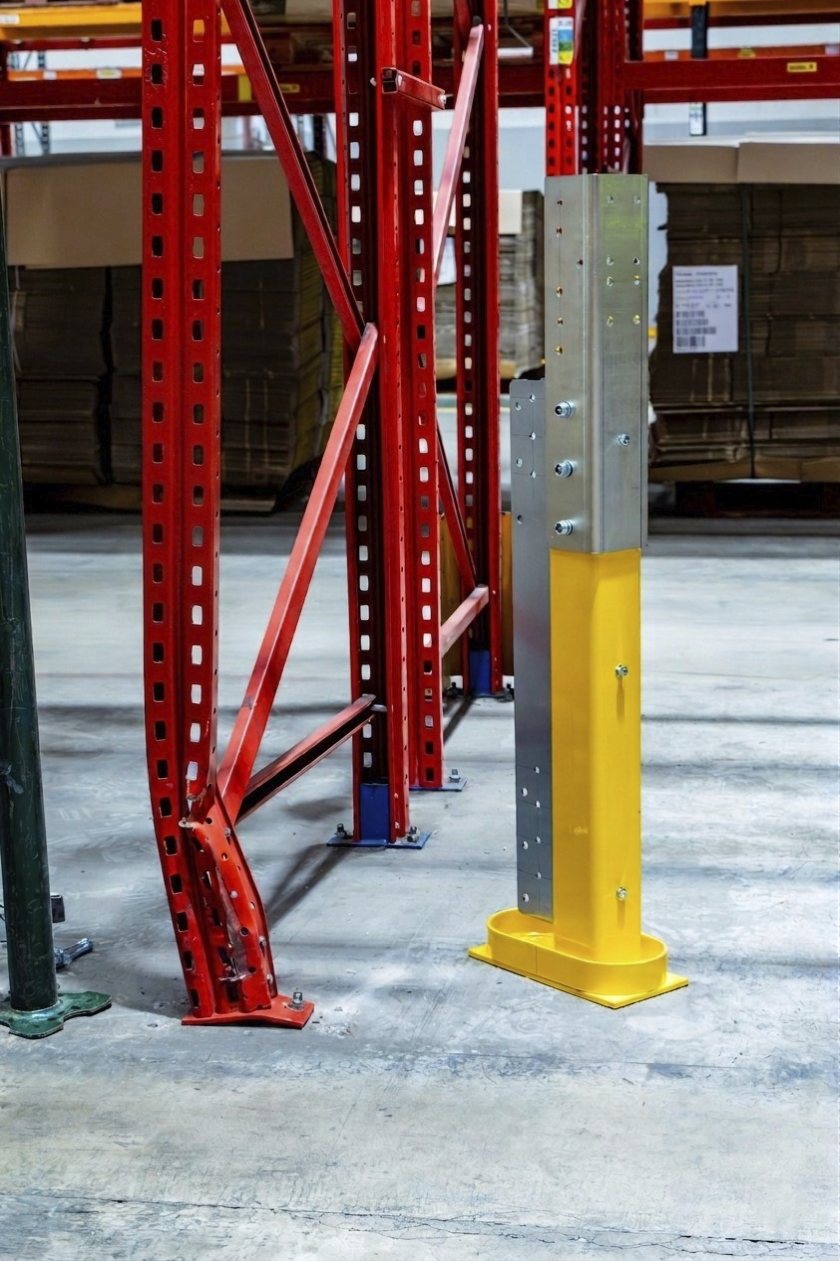
The system is designed to repair and reinforce damaged pallet racking uprights, allowing older warehouse systems to remain in use rather than being replaced.
Its developers say the system has been in use for two years and has recorded no warranty claims during that period.
The company said Goliath is aimed at a common problem in older logistics facilities, where replacement uprights can be difficult or impossible to source.
When manufacturer-specific parts become obsolete, damaged sections of racking can affect storage capacity and day-to-day warehouse operations.
Goliath is designed to be retrofitted into existing warehouse layouts, reinforcing uprights so that legacy racking systems can continue operating safely and productively.
The system is also being promoted as a way for businesses to reduce the environmental impact of warehouse maintenance.
Traditionally, damaged racking can mean replacing entire steel uprights, creating additional waste and requiring new steel components.
By reinforcing the existing frame, Goliath aims to extend the life of pallet racking and reduce the amount of new steel required.
The company said this can help warehouse operators lower embedded carbon while supporting wider ESG targets.
The system has undergone independent testing and verification by Bureau Veritas.
It has been verified against BS EN 15635:2008, which covers the application and maintenance of steel static storage systems.
It has also been verified against BS EN 15512:2020 + A1:2022, which sets out structural design principles for adjustable pallet racking systems.
Goliath uses 6mm box section in place of the usual racking uprights, compared with the 2mm thickness of the original component.
The company said this is intended to improve the strength of repaired uprights while meeting current UK industry codes of practice for adjustable pallet racking design and safety.
For warehouse managers and logistics directors, the system is being positioned as a way to combine safety compliance, cost control, reduced disruption and lower steel waste.
Emily Munslow, Division Lead, said: "The conversations we have with warehouse and logistics managers consistently start with discussions around issues of racking resilience and the viability of constant repairs."
She said operators were concerned about the waste and disruption involved in replacing entire uprights when individual parts were difficult to source.
"Operators are frustrated by the waste and disruption of discarding entire racking uprights just because a replacement part is obsolete or hard to source," she said.
Ms Munslow said Goliath offered a long-term repair option for warehouses using older racking systems.
"Goliath offers a robust, permanent solution that keeps legacy systems safely in use," she said.
She added that the company had shown over the past two years that operators did not have to choose between safety and sustainability.
"Over the past two years, we’ve proven that you don't need to choose between rigorous safety compliance and sustainability," she said.
"By eliminating the need for entirely new steel components, we are helping the supply chain sector drive down its embedded carbon while protecting its bottom line—backed by a flawless two-year track record with zero warranty claims."