

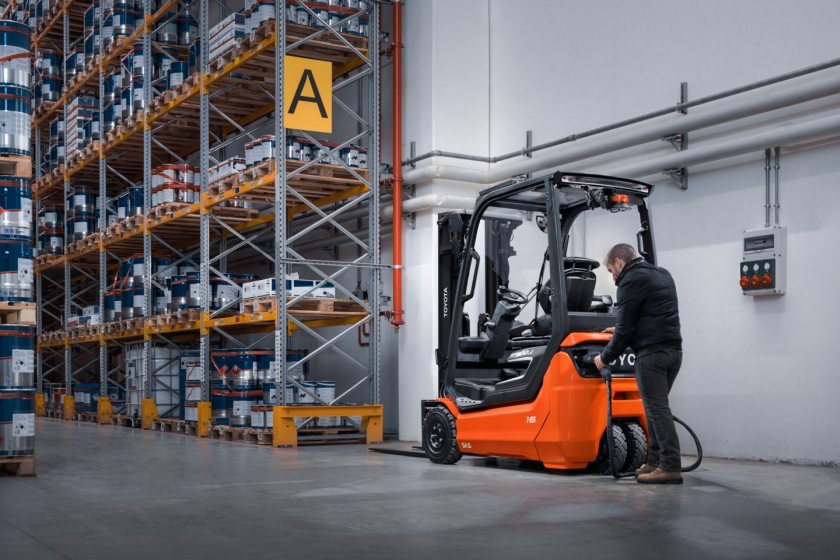
Warehouse operators are facing growing pressure to rethink how they charge electric forklift fleets as rising energy demands, automation and electricity costs put existing power infrastructure under strain.
Charging infrastructure is becoming an increasingly important part of warehouse operations, with businesses looking beyond conventional charging points towards smarter systems that can manage electricity use and minimise downtime.
The shift comes as distribution centres rely more heavily on electrically powered equipment, including lithium-ion forklift trucks, automated guided vehicles (AGVs), conveyor systems and automated storage and retrieval technology.
While electrification can deliver operational and environmental benefits, it also increases demand on electrical infrastructure that may not have been designed to support modern warehouse requirements.
Peak charging periods, particularly during shift changes, can place considerable pressure on site electricity capacity, while upgrading grid connections can be expensive and take months or even years.
The challenge is becoming more significant as businesses also electrify transport fleets, face fluctuating electricity prices and work towards carbon reduction targets.
For highly automated warehouses, maintaining a reliable power supply is particularly important, with interruptions potentially bringing entire operations to a standstill.
As a result, businesses are increasingly looking towards "smarter charging, not just faster charging" to improve efficiency and manage energy demand.
One approach is opportunity charging, which allows forklift trucks and automated vehicles to recharge during short breaks rather than relying entirely on lengthy charging periods between shifts.
This can help maximise equipment availability while reducing the need for large, dedicated charging areas.
Wireless charging technology is also emerging as a potential solution for autonomous equipment, offering opportunities to reduce interruptions during daily operations.
However, a major development is the growing use of intelligent charging management systems, which can coordinate charging activity across entire fleets.
These platforms can schedule charging when electricity is cheaper, prevent multiple vehicles from charging simultaneously during peak periods and help businesses avoid exceeding available electrical capacity.
Rather than managing each forklift individually, operators can coordinate charging as part of a wider warehouse energy strategy.
Charging infrastructure is also increasingly being linked with renewable energy generation and on-site battery storage.
Some warehouses are combining rooftop solar installations with Battery Energy Storage Systems, allowing electricity generated during the day to be stored for use when demand increases.
Such arrangements can help reduce reliance on grid electricity, manage energy costs and improve resilience against disruptions to supply.
Looking further ahead, researchers are exploring whether batteries used in electric vehicles, including forklift trucks, could eventually supply power back into warehouse energy systems during periods of high demand.
Although still at an early stage, the concept could provide operators with greater flexibility in how they manage electricity consumption.
Predictive technology is also expected to play a growing role, with future charging systems potentially integrating warehouse management software, telematics and real-time energy data.
Using predictive analytics, these platforms could anticipate electricity requirements, schedule charging automatically and balance operational demand with energy prices and renewable generation.
The development reflects wider changes across the materials handling industry, where connected equipment, predictive maintenance and automation are becoming increasingly important.
With warehouse electrification continuing, businesses face growing pressure to consider charging infrastructure as part of their long-term operational planning rather than a standalone equipment requirement.
Investing in intelligent charging and energy management systems could help operators control electricity costs, maintain forklift availability and improve resilience as warehouses become increasingly automated.
The longer-term ambition is to develop "intelligent energy ecosystems" capable of supporting electric fleets and automated operations while managing power efficiently and reliably.