
Manual handling injuries continue to plague UK workplaces, with new figures showing little sign of improvement despite longstanding safety regulations.
Stannah Lifts has called for renewed action after the latest data from the Health and Safety Executive revealed that 17% of workplace injuries are caused by “handling, lifting or carrying”, making it one of the leading causes of harm across multiple sectors.
The scale of the issue remains significant. Around 511,000 workers are affected by work-related musculoskeletal disorders linked to poor manual handling practices, often resulting in long-term pain, disability and reduced productivity.
These injuries frequently impact the back, neck, shoulders and limbs, with strains, sprains and spinal damage among the most common conditions. The risks are heightened when heavy items are moved through confined spaces such as corridors and staircases, while slips, trips and falls — already responsible for 30% of workplace injuries — continue to add to the burden.
Employers are also facing a financial impact, with manual handling injuries estimated to cost around £8,500 per case.
Despite the Manual Handling Operations Regulations 1992 providing guidance on reducing risk, many businesses are still struggling to implement effective solutions.
Stannah is urging organisations to take a more proactive approach, including investing in engineered systems that remove the need for manual handling altogether.
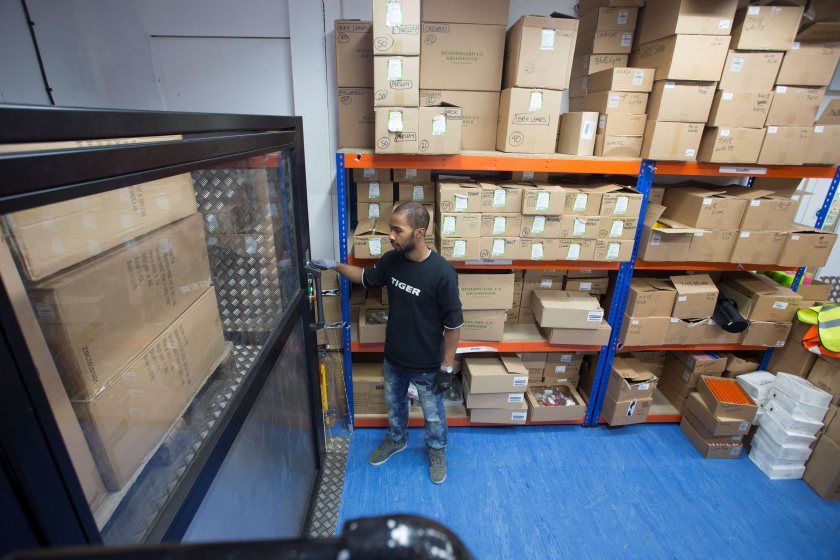
The company has highlighted the role of service and goods lifts as a practical way to reduce risk, improve efficiency and support safer working environments.
Its product range includes smaller dumbwaiters and trolley lifts for lighter loads, as well as mid-range and heavy-duty systems capable of transporting up to 3,000kg between floors.
Such systems are already widely used across sectors including hospitality, retail and manufacturing, helping to move goods safely while reducing strain on staff.
In hospitality settings, for example, dumbwaiters can provide a more hygienic and efficient way to transport food, tableware and supplies, while limiting the physical demands placed on workers.
Graham Mears, general manager at Stannah Lifts, said businesses adopting lift solutions are directly tackling a major workplace risk. He said: “When businesses choose a Stannah lift solution they are addressing one of the most significant workplace hazards: manual handling injuries.”
He added that such systems “eliminate many of the physical strains associated with lifting, carrying and moving heavy items between floors”, helping to reduce the risk of musculoskeletal disorders that continue to affect a high number of workers.
Mears said the benefits go beyond safety, noting that improvements can also “boost workplace culture, lifting morale and reducing financial exposure to claims”.
With staff shortages and safety expectations continuing to rise, he added that businesses investing in such measures can position themselves as responsible employers that prioritise workforce wellbeing.
Stannah said it is offering free access to a range of resources, including a manual handling guide, risk assessment template and lift selection tools, aimed at helping organisations reduce injury risks and improve workplace safety.