

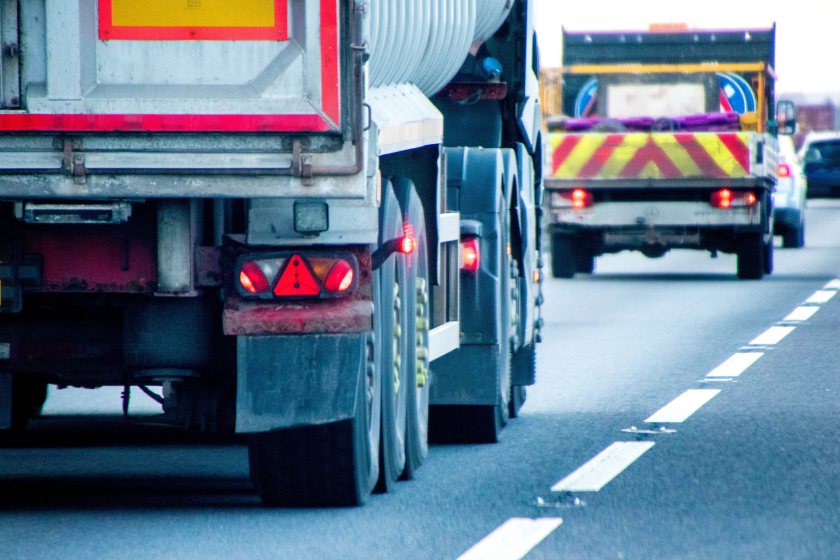
HGV drivers are being urged to stay hydrated, take regular breaks and watch for signs of heat-related illness as high temperatures place added pressure on the logistics sector.
Logistics UK has issued practical guidance through its THRIVE campaign following the UK’s third heatwave of the year.
The organisation said increasingly frequent periods of extreme heat could become the “new normal”, making driver welfare and safe working practices more important.
Maddi Solloway Price, Interim Deputy Director of Policy at Logistics UK, said professional drivers played a vital role in keeping goods moving in all weather conditions.
“Professional drivers play an invaluable role in transporting goods around the country all year round, making sure communities have what they need, regardless of what the weather is like.”
She said employers needed to put practical measures in place to protect staff, while drivers should understand how to look after themselves during hot weather.
“However, as heatwaves become more commonplace, it is essential that employers make sure practical measures are in place to support driver welfare, and that drivers are aware of the actions they can take to look after themselves.”
The THRIVE campaign was launched last year as an online hub supporting mental health and wellbeing across the logistics industry.
It offers advice on areas including nutrition, fitness and workplace welfare, with contributions from personal trainer Callum Jordan.
Mr Jordan said hot weather could be particularly demanding for workers carrying out strenuous tasks such as lifting heavy goods.
“This heat is a real challenge for those who have to carry out strenuous tasks such as lifting heavy items for work.”
He urged drivers and logistics workers to take regular breaks and drink water little and often throughout the day.
Workers should also continue using safe lifting techniques and remain alert to the increased risk of slippery surfaces caused by sweat.
Mr Jordan said protective clothing, including safety gloves, remained essential despite the heat.
He added: “Remember that, even though it’s hot outside, wearing the correct protective clothing (including safety gloves) will help to prevent accidents, whatever the weather.”
THRIVE advises workers not to wait until they feel thirsty before drinking, as thirst can already be a sign of dehydration.
Where possible, workers should wear lightweight, loose-fitting and light-coloured clothing, provided it remains suitable for the job and meets safety requirements.
Heavy lifting and other strenuous tasks should be scheduled outside the hottest parts of the day where operationally possible.
Cooling aids such as ice packs, cooling towels and mist sprays can also help reduce discomfort.
Logistics workers are advised to use refillable drinking bottles rather than leaving plastic bottles in direct sunlight, where heat and ultraviolet exposure can affect the plastic.
The guidance also recommends limiting caffeine and energy drinks because they can worsen dehydration.
Ms Solloway Price suggested keeping a frozen bottle of water in the cab or staff fridge so workers have access to a cold drink during breaks.
“THRIVE offers expert advice distilled into simple tips that drivers and other logistics workers can implement easily.”
Drivers and employers are also being urged to recognise the warning signs of heat-related illness.
These can include dizziness, headaches, excessive sweating, muscle cramps, nausea and confusion.
Ms Solloway Price said maintaining health and wellbeing must remain a priority while logistics teams continue working through extreme temperatures.
“Ultimately, it’s about ensuring that health and wellbeing remain front of mind for the logistics businesses and in supporting their teams who are out working in this heat, keeping industries and the country moving.”